Around 12,000 years ago, humanity reached a pivotal turning point in its history with the dawn of the Agricultural Revolution. Until then, communities had largely depended on hunting and gathering, a lifestyle that could support only small populations. The transition to agriculture fundamentally transformed how humans interacted with nature and harnessed energy.
Humans began domesticating plants and animals, cultivating crops such as barley, lentils, and grapes. Agriculture created a more reliable food supply than hunting and gathering, providing consistent calories that fuelled population growth. Villages expanded into towns, societies became more complex, and food surpluses enabled the rise of artisans, traders, and leaders, laying the foundations of civilization.
Energy revolution
At the heart of this transformation was energy. Agriculture allowed humans to capture the sun’s energy through crops while relying on animal power, watermills, and later windmills. These innovations laid the groundwork for technological advancement and economic development.
Centuries later, energy remains central to human progress. Reliable and affordable energy powers transportation, communication, and healthcare. Steam engines, automobiles, and aircraft revolutionized mobility, shrinking travel times from months to hours and accelerating trade and globalization. Similarly, communication technologies – from the printing press to the internet- have spread knowledge on an unprecedented scale, connecting billions of people worldwide.
Energy has also transformed healthcare. Modern hospitals, diagnostic tools such as MRI and CT scanners, life-saving equipment, and pharmaceutical production all depend on reliable energy systems. These advances have increased life expectancy, reduced infant mortality, and improved overall human well-being.
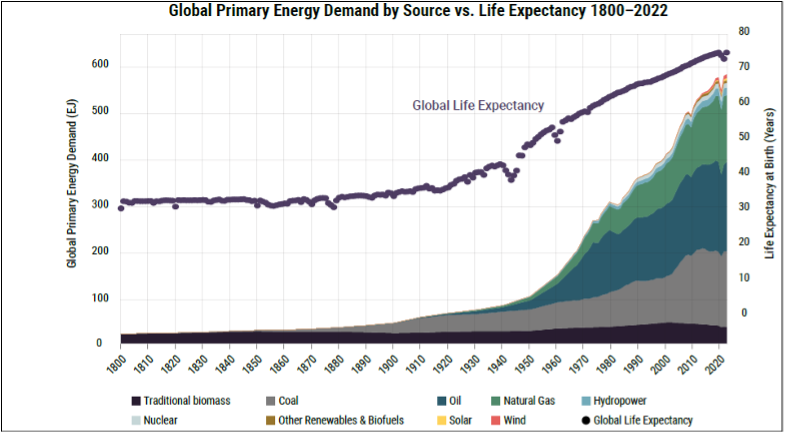
Historical data from organizations such as the Energy Institute, the International Energy Agency (IEA), and Our World in Data show a strong relationship between energy access and improved quality of life. Societies with greater access to energy generally experience better health outcomes and higher levels of economic development.
Kenya offers a compelling example of this relationship. Economic growth has driven electricity demand to a peak of 2,316.2 MW, with projections from the Least Cost Power Development Plan (2024–2043) indicating demand could reach 8,152 MW by 2043.
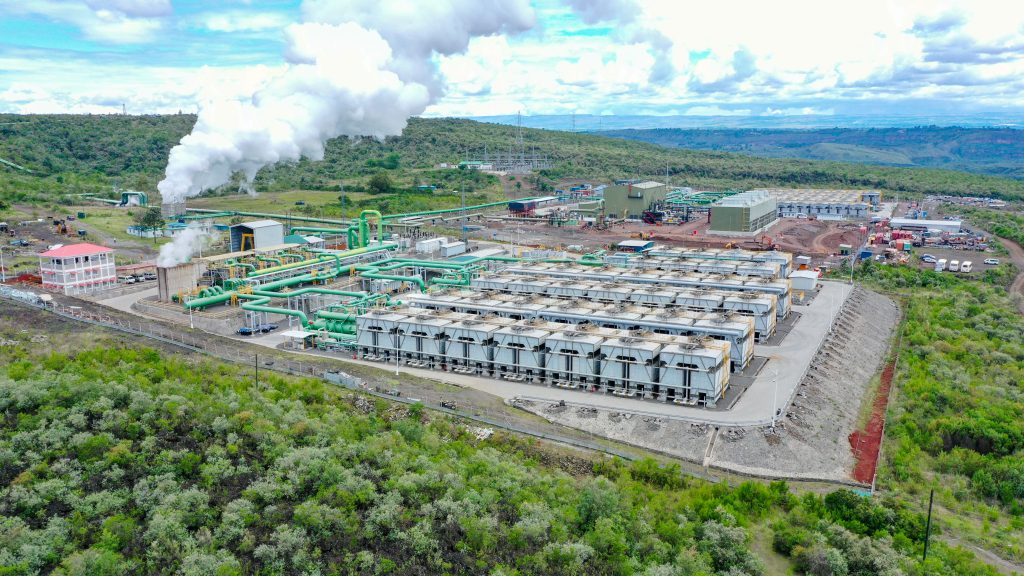
To meet this demand sustainably, Kenya has prioritized renewable energy, particularly geothermal power. Blessed with abundant resources along the Great Rift Valley, the country has emerged as a continental leader in clean energy. Reliable and resilient, geothermal energy will remain a critical pillar of Kenya’s future energy security.
From the Agricultural Revolution to the renewable energy era, history offers a clear lesson: energy is the foundation of civilization and human progress.
Mr. Limo is the Chief Superintending Geologist State Department for Energy, Ministry of Energy & Petroleum
Download your copy of the Steam Magazine Issue 18 here: https://www.gdc.co.ke/wp-content/uploads/2026/06/Steam-Magazine-Issue-18.pdf


