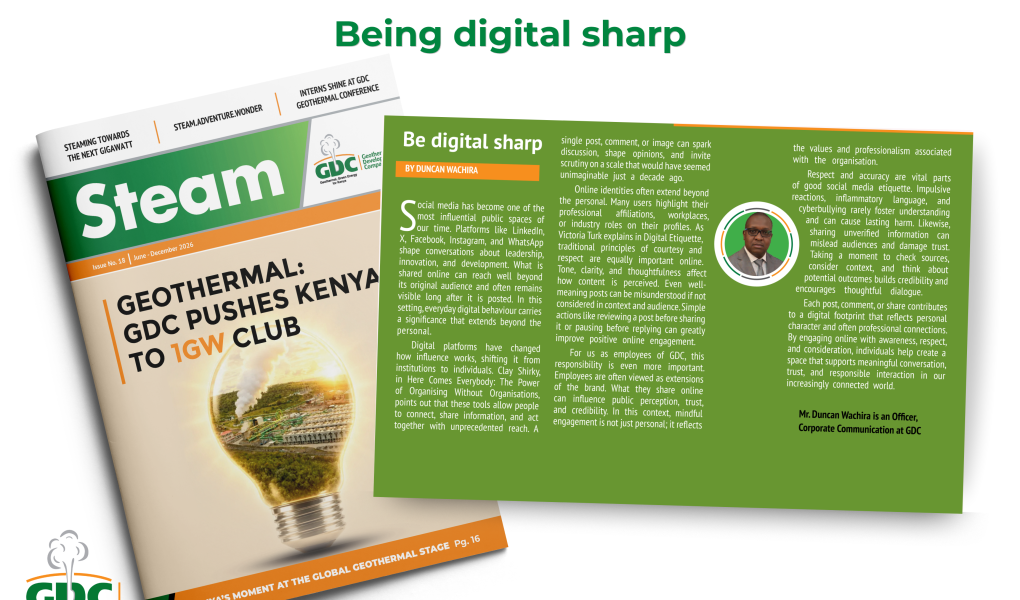
Social media has become one of the most influential public spaces of our time. Platforms like LinkedIn, X, Facebook, Instagram, and WhatsApp shape conversations about leadership, innovation, and development. What is shared online can reach well beyond its original audience and often remains visible long after it is posted. In this setting, everyday digital behaviour carries a significance that extends beyond the personal.
Digital platforms have changed how influence works, shifting it from institutions to individuals. Clay Shirky, in Here Comes Everybody: The Power of Organising Without Organisations, points out that these tools allow people to connect, share information, and act together with unprecedented reach. A single post, comment, or image can spark discussion, shape opinions, and invite scrutiny on a scale that would have seemed unimaginable just a decade ago.

Online identities often extend beyond the personal. Many users highlight their professional affiliations, workplaces, or industry roles on their profiles. As Victoria Turk explains in Digital Etiquette, traditional principles of courtesy and respect are equally important online. Tone, clarity, and thoughtfulness affect how content is perceived. Even well-meaning posts can be misunderstood if not considered in context and audience. Simple actions like reviewing a post before sharing it or pausing before replying can greatly improve positive online engagement.
For us as employees, this responsibility is even more important. Employees are often viewed as extensions of the brand. What they share online can influence public perception, trust, and credibility. In this context, mindful engagement is not just personal; it reflects the values and professionalism associated with the organisation.
Respect and accuracy are vital parts of good social media etiquette. Impulsive reactions, inflammatory language, and cyberbullying rarely foster understanding and can cause lasting harm. Likewise, sharing unverified information can mislead audiences and damage trust. Taking a moment to check sources, consider context, and think about potential outcomes builds credibility and encourages thoughtful dialogue.

Each post, comment, or share contributes to a digital footprint that reflects personal character and often professional connections. By engaging online with awareness, respect, and consideration, individuals help create a space that supports meaningful conversation, trust, and responsible interaction in our increasingly connected world.
Mr. Duncan Mwangi is an Officer, Corporate Communication at GDC.
Download your copy of the Steam Magazine Issue 18 here: https://www.gdc.co.ke/wp-content/uploads/2026/06/Steam-Magazine-Issue-18.pdf