
Geothermal energy is a strategic pillar of Kenya’s energy future. Yet only a fraction of the country’s vast geothermal potential has been harnessed, reflecting persistent structural, operational and financial constraints. As recognised in the National Geothermal Strategy 2026–2036, challenges such as non-cost-reflective tariffs, operational complexity, lengthy approval processes and overreliance on public financing continue to impede sector growth.
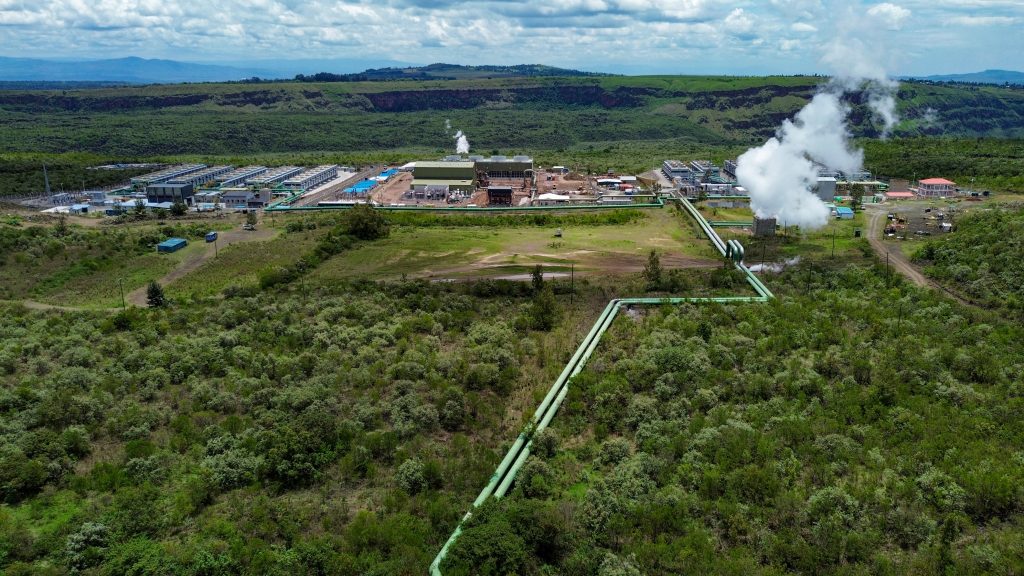
These realities underscore a critical point: geothermal development is not merely a technical undertaking but a complex, high-risk enterprise that requires robust governance and integrated risk management systems.
At the core of Kenya’s geothermal risk landscape lies resource uncertainty. Exploratory drilling remains inherently speculative, with the possibility of dry wells despite encouraging geological indicators. Institutions such as the Geothermal Development Company (GDC) have played a pivotal role in mitigating this risk by absorbing early-stage exploration costs and generating reliable resource data for investors.
Nevertheless, significant technical risks remain. Drilling in high-pressure, high-temperature environments presents operational challenges, while also require strong oversight to ensure transparency, predictability and investor hard rock formations can complicate well development. Long-term risks such as reservoir decline, well degradation and the accumulation of non-condensable gases may also reduce system efficiency over time.
Environmental and social risks are equally important. Geothermal development can affect ecosystems, water resources and vegetation if not properly managed. Projects also require land acquisition and, in some instances, community resettlement. These processes often create expectations around compensation, employment, infrastructure development and benefit sharing. When poorly managed, community trust can erode, threatening project continuity and the social licence to operate.
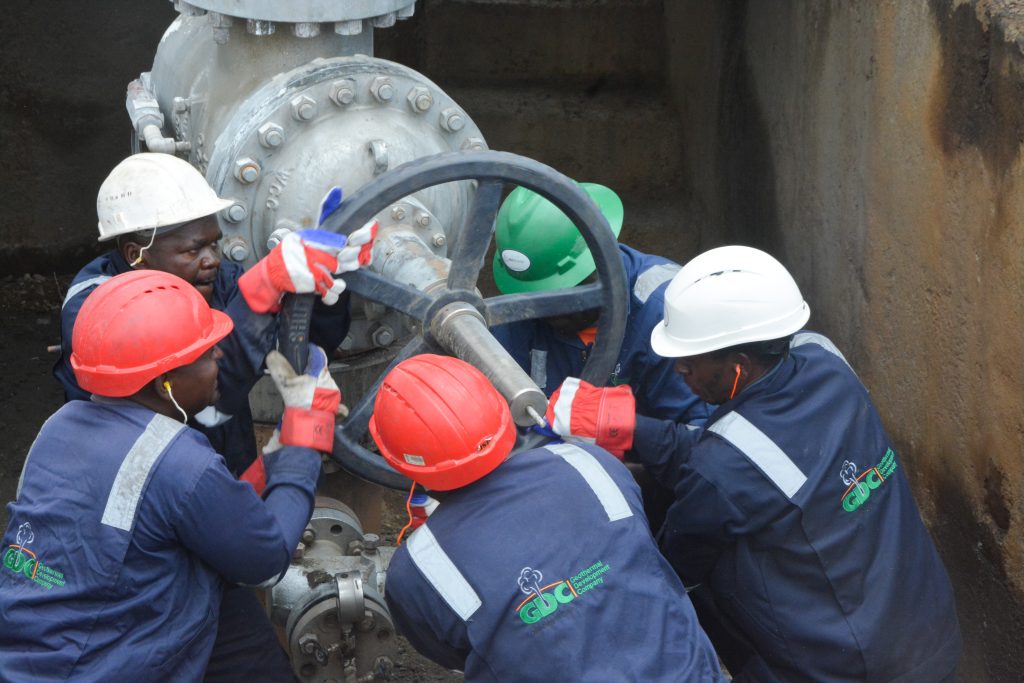
Financial Governance
Financial and governance risks further compound these challenges. Geothermal projects demand substantial upfront investment, with drilling costs stagger at about US$ 6.7 million per well. This capital intensity exposes developers to financing constraints, currency fluctuations and market uncertainties. Complex contractual arrangements, including power purchase agreements, also require strong oversight to ensure transparency, predictability and investor confidence.
Addressing this multifaceted risk environment demands an integrated internal control framework built around four pillars: technical, environmental and social, financial, and governance controls.
Addressing this multifaceted risk environment demands an integrated internal control framework. Technical controls should prioritise asset integrity through predictive maintenance and real-time monitoring.
Environmental and social controls must emphasise emissions monitoring, water management, brand and stakeholder management and structured benefit-sharing mechanisms. Financial controls should strengthen budgeting, auditing and contract management, while governance controls must promote transparency, accountability and effective decision-making.
Ultimately, unlocking Kenya’s geothermal potential will depend not only on resource availability or technological capability, but also on the strength of its risk governance systems. Without effective governance, the sector risks being constrained not by geology, but by its ability to manage risk
Mr. Shitsama is the General Manager, Audit and Risk at GDC
Download your copy of the Steam Magazine Issue 18 here: https://www.gdc.co.ke/wp-content/uploads/2026/06/Steam-Magazine-Issue-18.pdf


