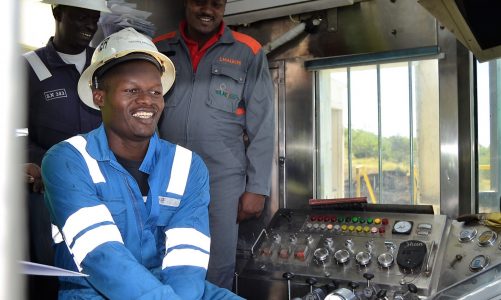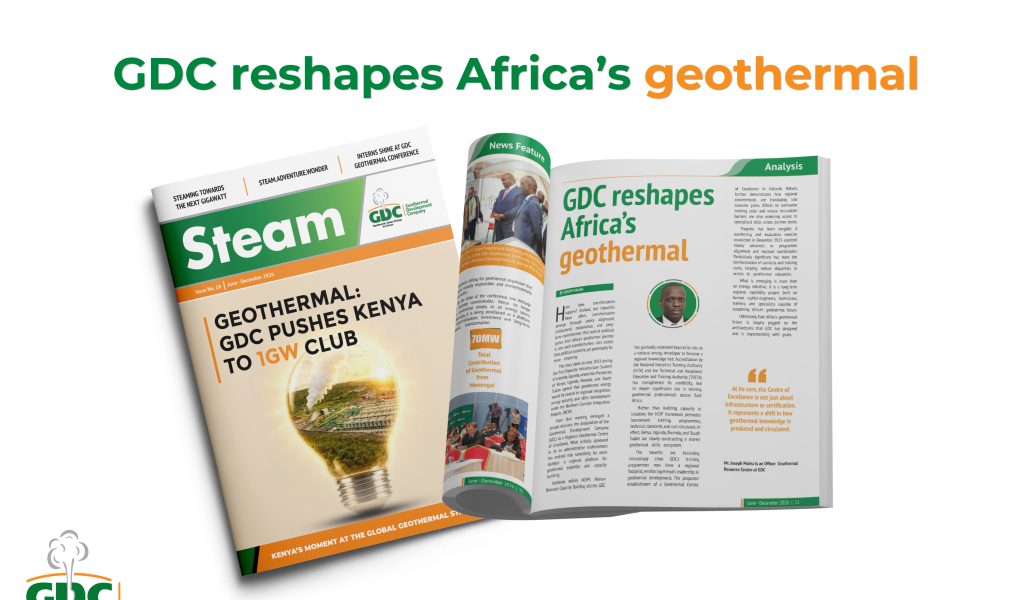
How does transformation happen? Gradual, but impactful. More often, transformation emerge through policy alignment, institutional cooperation, and long-term commitments that outlive political cycles. East Africa’s geothermal journey is one such transformation- less visible than political summits, yet potentially far more enduring.
The story dates to June 2013 during the first Tripartite Infrastructure Summit in Entebbe, Uganda, where the Presidents of Kenya, Uganda, Rwanda, and South Sudan agreed that geothermal energy would be central to regional integration, energy security, and skills development under the Northern Corridor Integration Projects (NCIP).
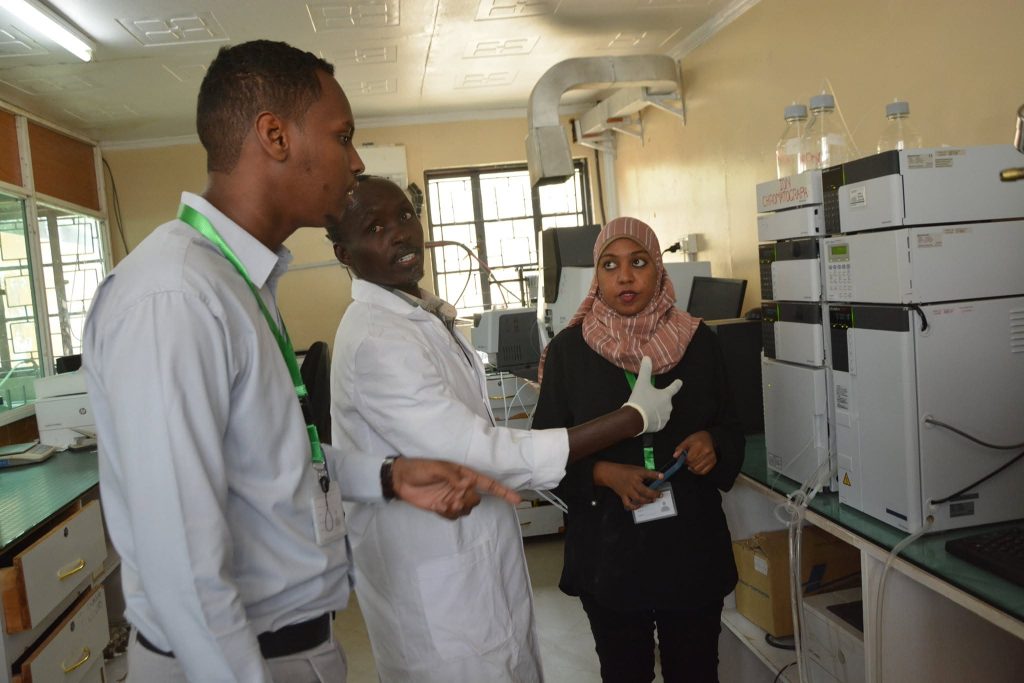
From that meeting emerged a pivotal decision: the designation of the Geothermal Development Company (GDC) as a Regional Geothermal Centre of Excellence. What initially appeared to be an administrative endorsement has evolved into something far more strategic- a regional platform for geothermal expertise and capacity building.
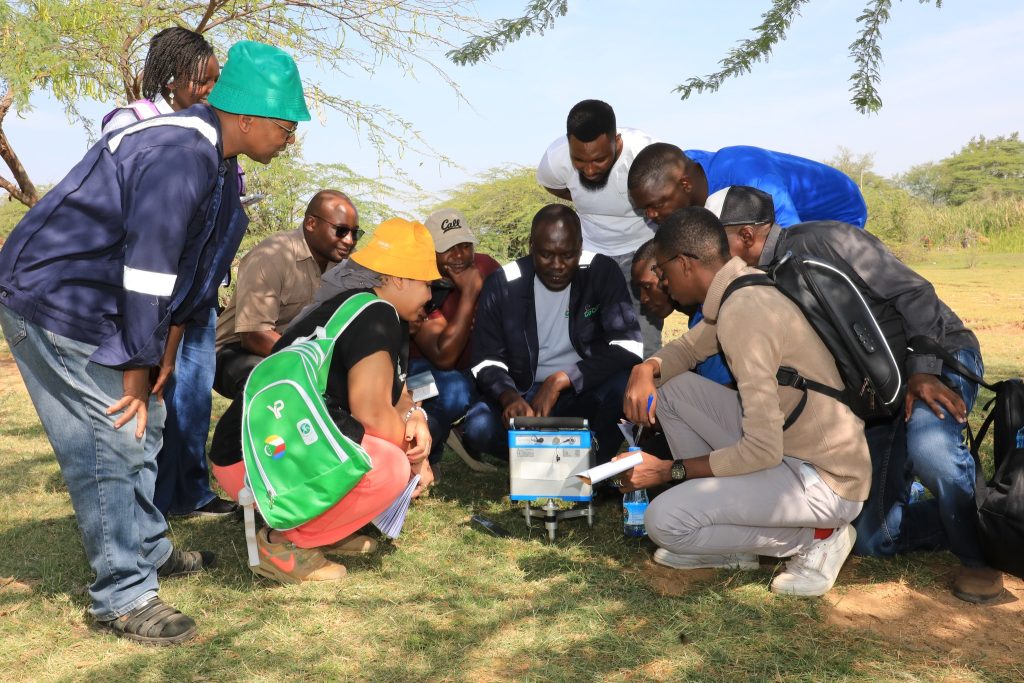
Anchored within NCIP’s Human Resource Capacity Building cluster, GDC has gradually expanded beyond its role as a national energy developer to become a regional knowledge hub. Accreditation by the National Industrial Training Authority (NITA) and the Technical and Vocational Education and Training Authority (TVETA) has strengthened its credibility, but its deeper significance lies in training geothermal professionals across East Africa.
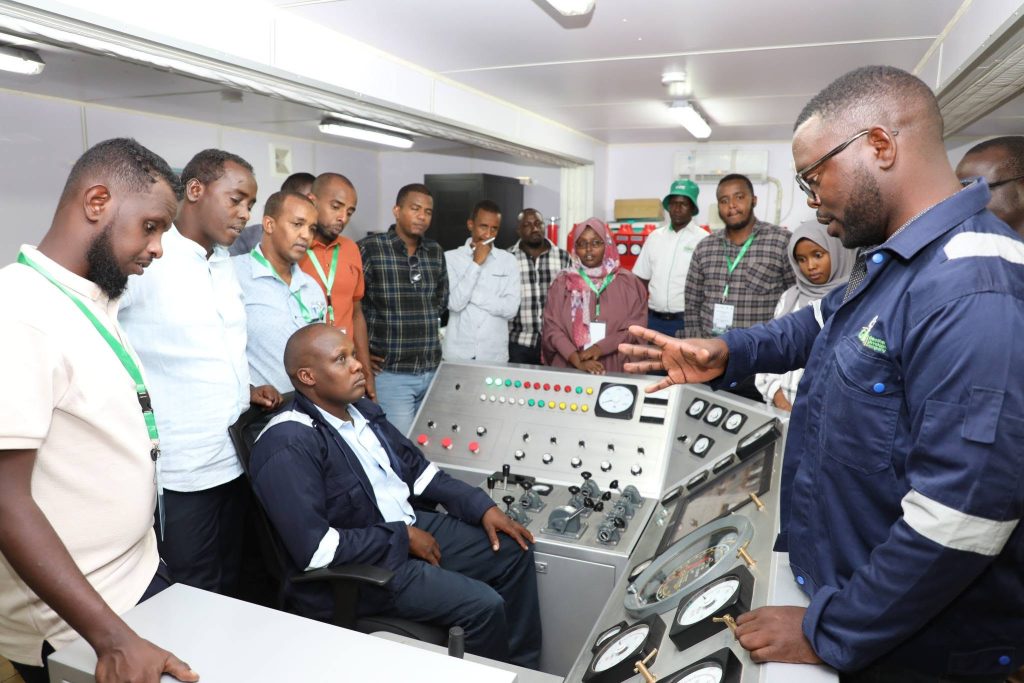
Rather than building capacity in isolation, the NCIP framework promotes harmonised training programmes, technical standards, and cost structures. In effect, Kenya, Uganda, Rwanda, and South Sudan are slowly constructing a shared geothermal skills ecosystem.
The increasingly benefits clear. are GDC’s training programmes now have a regional footprint, reinforcing Kenya’s leadership in geothermal development. The proposed establishment of a Geothermal Centre of Excellence in Kabarak, Nakuru, further demonstrates how regional commitments are translating into concrete plans. Efforts to harmonise training costs and reduce non-tuition barriers are also widening access to specialised skills across partner states.
Progress has been tangible. A monitoring and evaluation exercise conducted in December 2025 reported steady advances in programme alignment and regional coordination. Particularly significant has been the harmonisation of curricula and training costs, helping reduce disparities in access to geothermal education.
What is emerging is more than an energy initiative; it is a long-term regional capability project built on human capital-engineers, technicians, trainers, and specialists capable of sustaining Africa’s geothermal future. Ultimately, East Africa’s geothermal future is largely pegged on the architectures that GDC has designed and is implementing with gusto.