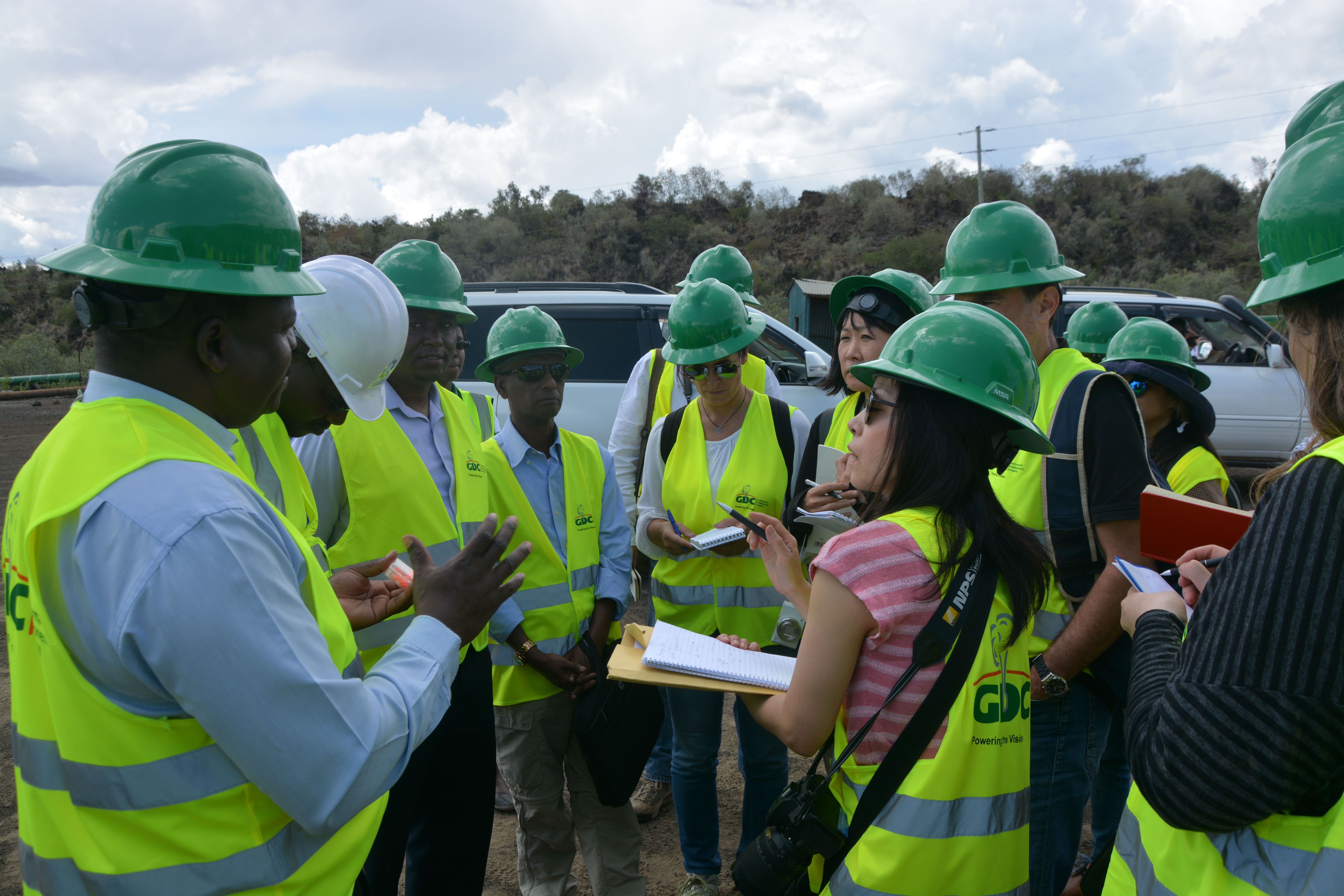
Amid the rugged hills and volcanic caldera of Paka and Korossi in Kenya’s North Rift, GDC is rewriting the story of geothermal expansion, placing communities at the heart of progress. To support households affected by its projects, the company has launched the Livelihood Restoration Programme (LRP) — a structured initiative that combines immediate relief with long-term economic empowerment.
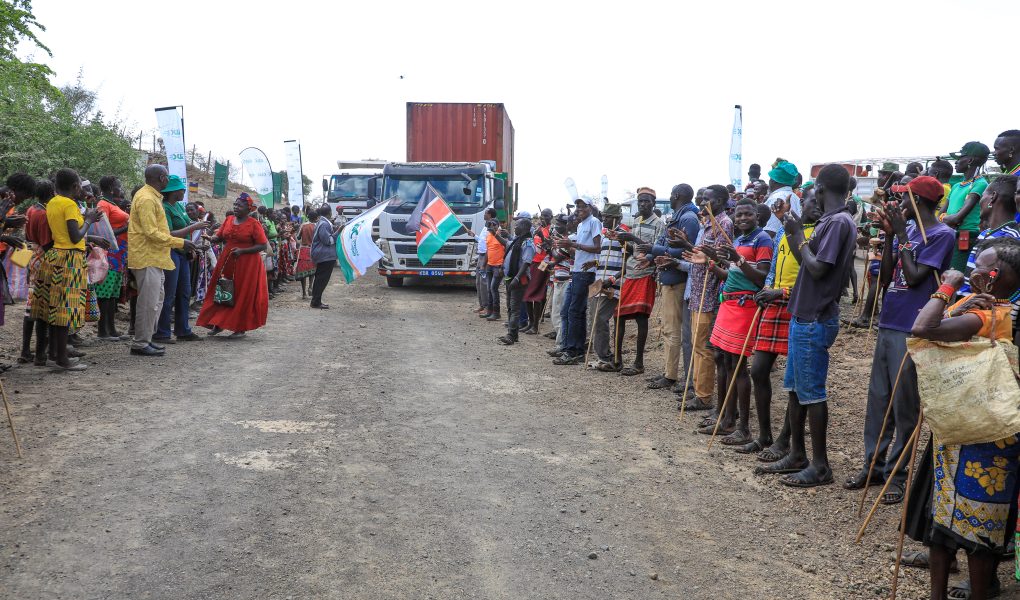
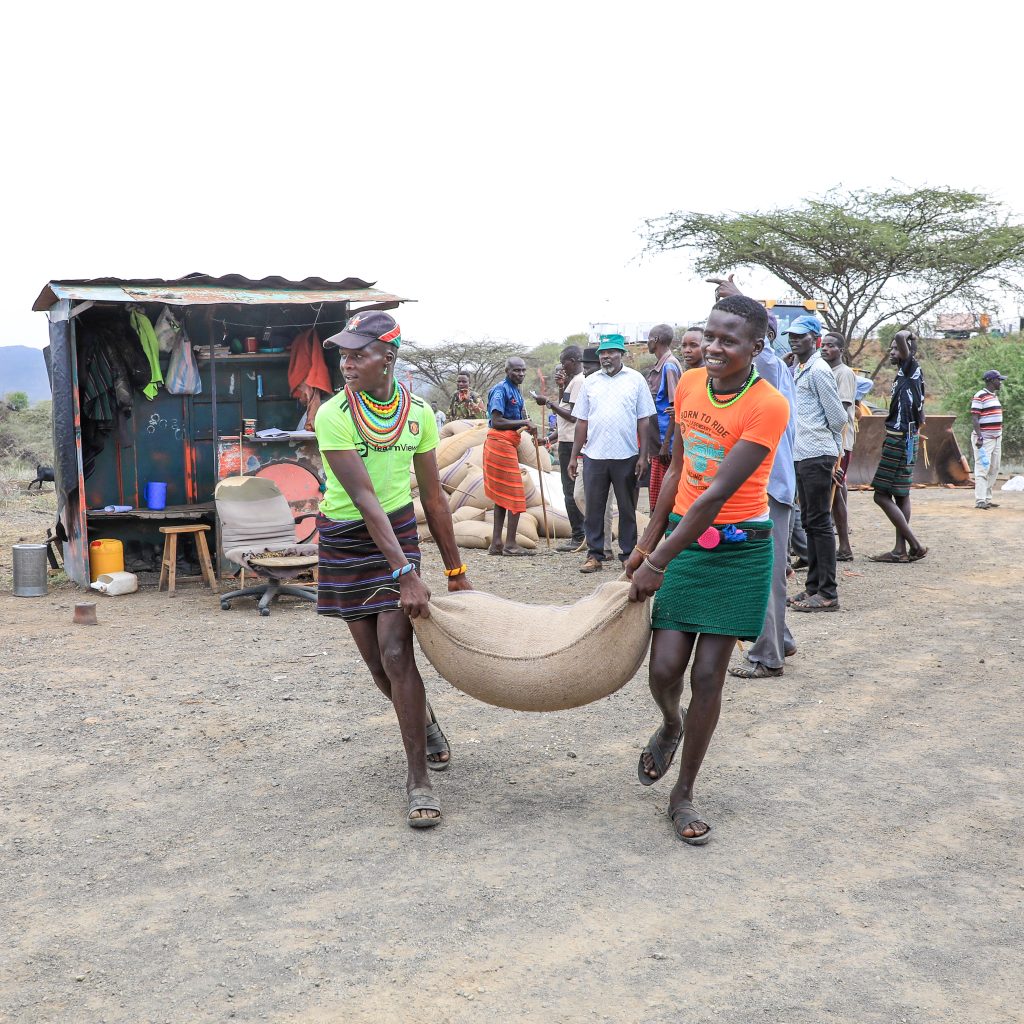
In its first phase, 82 project-affected households received targeted support. At Paka Hills, GDC flagged off 350 bags of maize, 180 bags of beans, and 150 bags of rice, easing immediate household pressure while laying the foundation for sustainable livelihoods.
The integrated approach anchors a three-year framework focused on restoring and strengthening livelihoods, intentionally designed to go beyond short-term assistance. Seventy Galla bucks were distributed to improve local goat breeds and enhance market value, while 100 beehives were issued to diversify income streams.
North Rift Regional Manager Mr. John Lagat noted the programme reflects GDC’s commitment to responsible development. “As geothermal expansion progresses, our responsibility is clear—no affected household should be left worse off. We are combining immediate support with productive investments that will sustain families well into the future,” he said.
Community Relations Manager Mr. Salad Tutana described the initiative as transformative within the energy sector. “This programme is a game changer, especially in redefining the social contract between energy infrastructure development and host communities. Livelihood restoration is about restoring dignity, protecting opportunity, and ensuring development delivers shared value.”
Education support has emerged as a critical pillar of this social contract. Approximately 2,000 girls across six primary schools received sanitary towels and essential supplies to address menstrual-related absenteeism, while KSh 4 million has been earmarked for bursaries to support vulnerable learners. Ms. Magdalene Muge, head teacher of Tuwo Primary School in Paka, said the intervention is already making a difference: “Many of our girls used to miss school due to lack of basic supplies. This support keeps them in class, confident and focused on their studies.”
Beyond relief and productive support, LRP is built on strong governance and accountability. Community-Based Organisations in Paka and Korossi have been formally registered and issued certificates, giving them legal standing to coordinate beneficiaries, manage grievances, and monitor resource utilisation.
Principal Officer, Community Relations Mr. Daniel Kilelu emphasised the importance of structured local institutions in embedding order in implementation: “By strengthening community oversight mechanisms, we are ensuring transparency, fairness, and measurable outcomes throughout the programme cycle.”
For beneficiaries, the impact is both immediate and forward-looking. Community leader Mr. Alex Nguraliet described the programme as timely, noting that livestock improvement and apiculture provided families with practical avenues for income growth. Ms. Josephine Ayebar added that the improved goat breed will increase the value of her herd, while Ms. Nancy Kipkemoi said the beehives offer a dependable income even during droughts.

Through the LRP, GDC is ensuring that progress above ground is just as powerful as the energy it generates beneath it.