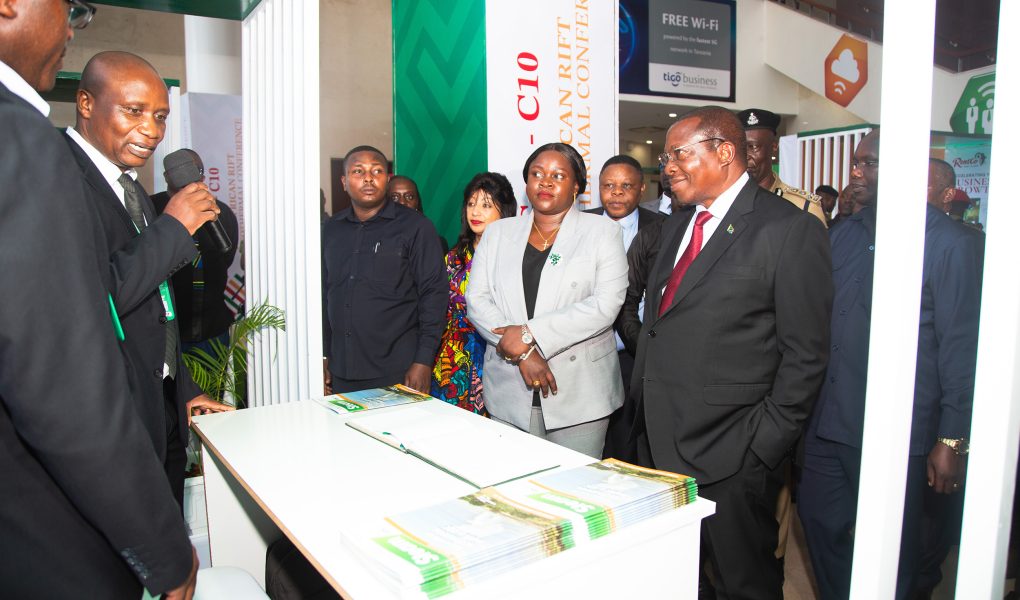
In October 2024, Dar es Salaam, Tanzania, stood out as the epicentre of Africa’s geothermal energy discussions, as more than 600 delegates gathered for the tenth cycle of the Africa Geothermal Conference (ARGeo-C10). Established in 2010, the biennial conference has provided Kenya with a platform to showcase its success in geothermal development, attract investment, network with peers and experts, explore new technologies, and promote regional collaboration on geothermal energy. It’s safe to say that Kenya has used this platform to position itself as a leader in geothermal resource development.
The conference, which brought together geothermal stakeholders from 26 nations, was held under the theme: “Accelerating the Development of Geothermal Resources for Just Energy Transition, Carbon Markets, and Net Zero Emissions.” It came at a crucial time, as the global push for cleaner energy solutions gains momentum. With the growing severity of climate change impacts, there is increasing consensus on the urgent need to embrace sustainable energy sources.
Africa’s geothermal potential—over 20,000 MWe—remains largely untapped, with less than 5% developed to date. Development is primarily concentrated in Kenya and Ethiopia, with installed capacities of around 950 MW and 7 MW, respectively. The rest of the continent remains largely in the exploration phase. While most efforts have targeted high-temperature fields, there is significant scope for harnessing lower-temperature resources for direct-use applications.
So why has progress been so slow, despite the clear benefits of geothermal development—affordable, clean power, thermal heat for industries, job creation, and improved livelihoods, all contributing to socio-economic transformation? The answer lies in several key barriers: high initial investment costs, limited financing, and a shortage of technical expertise.
For over a decade, the ARGeo conference has sought to address these issues by offering a platform for countries to share experiences, mitigate risks associated with resource development, and catalyse investment. Clearly, however, this has not sufficed. A more deliberate and action-oriented approach is required for countries to move beyond discussion and truly accelerate geothermal development. The time has come for countries to reconsider and fast-track their efforts. The path to harnessing geothermal energy is challenging, true, but not insurmountable.
Global leader
Kenya has ably demonstrated that it is possible. The country has successfully harnessed its geothermal potential, becoming one of the global leaders in geothermal energy development. Kenya is currently ranked sixth worldwide, with over 985 MW of installed geothermal capacity. It has significantly reduced its reliance on fossil fuels, with a large share of its power supply derived from geothermal resources.
The success of Kenya’s geothermal development serves as a beacon of hope for Africa. Its progress is attributed to supportive government policies, sustained investment in research and exploration, and strategic international partnerships. A notable example is Kenya’s “steam sales model” in geothermal development, primarily driven by the Geothermal Development Company (GDC). This public-private partnership allows GDC to supply steam, while private power producers generate electricity. However, this model requires a strong governmental commitment to be effective.
Geothermal’s versatility also extends beyond electricity generation. Low-temperature wells, in particular, can be used for direct applications— such as agricultural processing and industrial uses—offering immediate energy solutions to local communities. Combined with its environmental and economic benefits, this versatility makes geothermal energy an attractive and viable option. Governments should also capitalise on the Geothermal Risk Mitigation Facility (GRMF), which offers non-reimbursable grant funding through the GRMF HEAT programme for direct-use applications, alongside the existing GRMF POWER funding stream.
To turn this potential into a reality across the continent, governments must integrate geothermal energy into long-term national and regional Power Development Master Plans. These plans must also align with the goals of Agenda 2063—the African Union’s strategic framework for socio-economic transformation. This commitment should be reflected in Nationally Determined Contributions (NDCs) under the Paris Agreement, reinforcing each country’s climate action targets. Most importantly, governments must allocate adequate funding for geothermal exploration and development, particularly in de-risking early-stage projects. They must also prioritise cooperation and collaboration through clear policies, regulations, and sustained political will. Kenya’s experience highlights the importance of long-term investment and the adoption of science-based policy frameworks.
A new chapter begins as the African Geothermal Association (AGA) takes over the coordination of the ARGeo conference from UNEP. The AGA will play a pivotal role in fostering collaboration between governments, private investors, and research institutions. The focus must now shift from discussion to practical implementation, emphasising cross-border collaboration to benchmark progress, share best practices, and strengthen knowledge exchange. AGA should also continue working with organisations such as UNEP to build governments’ technical capacity for geothermal development. With the right resources, technical support, and political commitment, Africa can overcome existing barriers and unlock the transformative potential of geothermal energy.
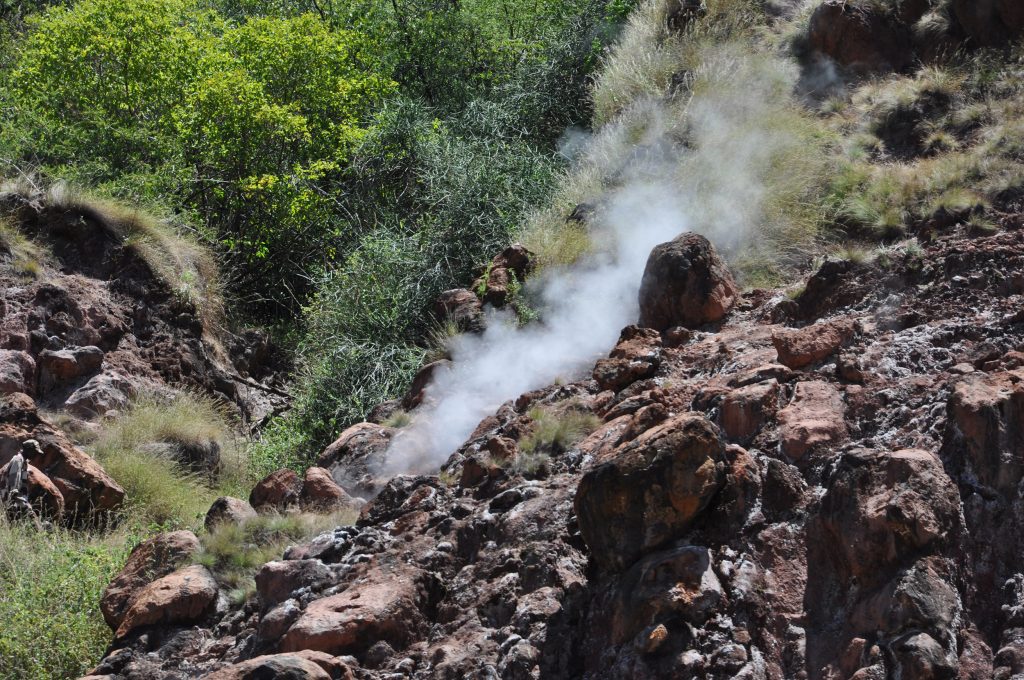
Fumaroles at Kenya’s Arus Geothermal Prospect in the Baringo-Silali geothermal bloc
Additionally, AGA should prioritise helping countries access climate finance and Risk Mitigation Facilities (such as GRMF), equipping them with the necessary tools for successful project development.
The potential of geothermal energy in Africa remains undeniable. It promises affordable, clean power and the ability to stimulate local economies. It is time to shake off the stagnation in exploration efforts and take bold steps to unlock this promise. The benefits are too great to ignore. With the right support, geothermal energy can transform Africa’s energy future, providing a vital alternative to fossil fuels and driving sustainable growth across the continent.
This is an article from Steam Issue 17. Download a digital copy of the latest issue here


